NFPA 70B and NFPA 70E sound like they cover the same ground. They don’t. One is about your equipment. The other is about your workers. Facilities get into trouble when they treat one as a substitute for the other – they aren’t, and auditors know the difference.
Both standards can apply to your facility at the same time. Here is what separates them and why each one matters on its own.
What Is NFPA 70B?
NFPA 70B is the Standard for Electrical Equipment Maintenance. Its purpose is to protect equipment, ensuring electrical systems stay in reliable, safe operating condition through a documented, risk-based maintenance program.
The 2023 edition made a historic shift: mandatory “shall” language replaced the old advisory “should” throughout. Facilities covered by the standard are now required (not merely encouraged) to maintain a written Electrical Maintenance Program (EMP).
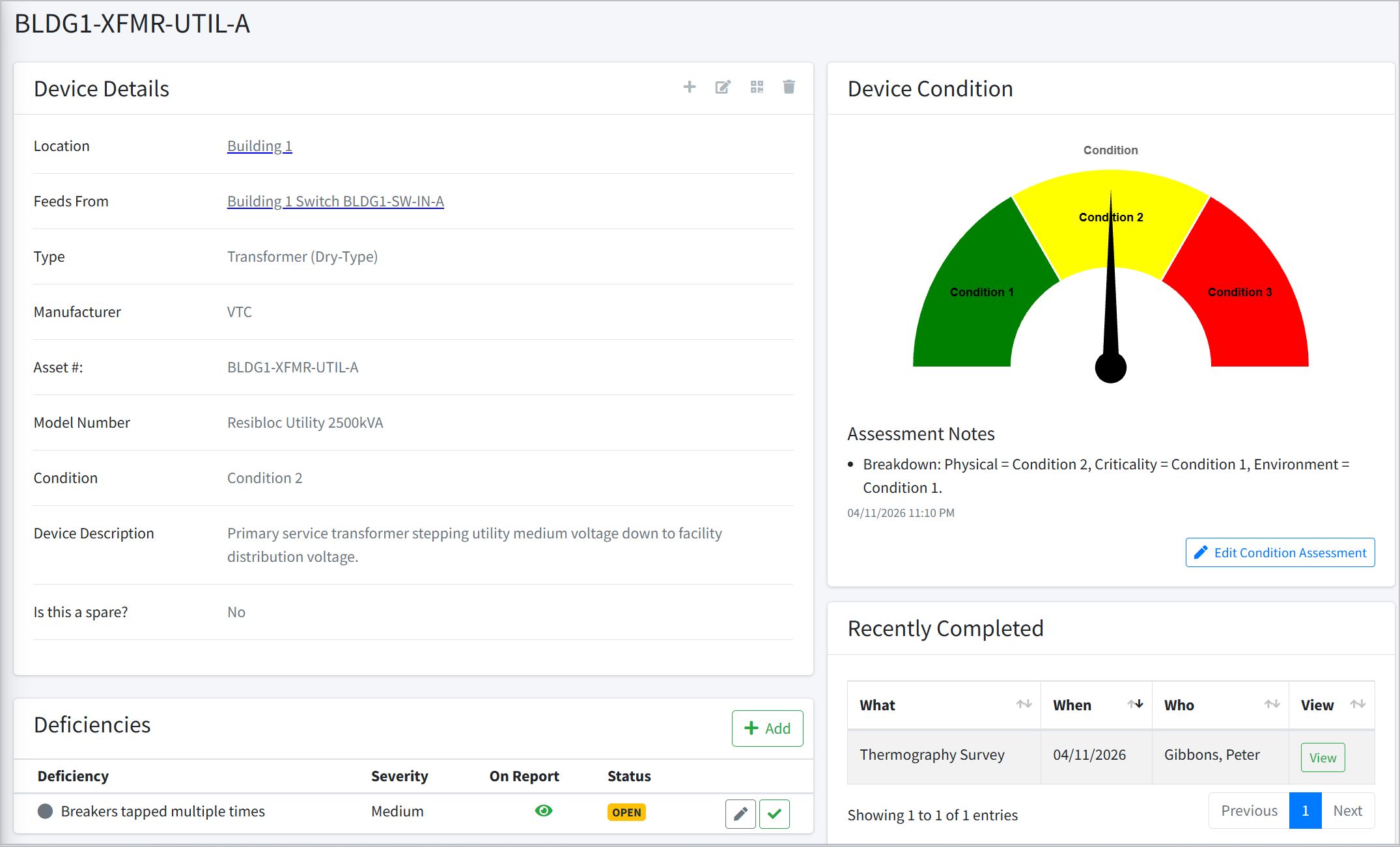
A compliant NFPA 70B program requires a complete inventory of your electrical equipment, condition assessments for each asset, and maintenance intervals tied to those assessments. It also needs documented inspection and testing procedures for each device type, plus records of everything your team has done and found. That is the baseline.
How Gimba Handles This
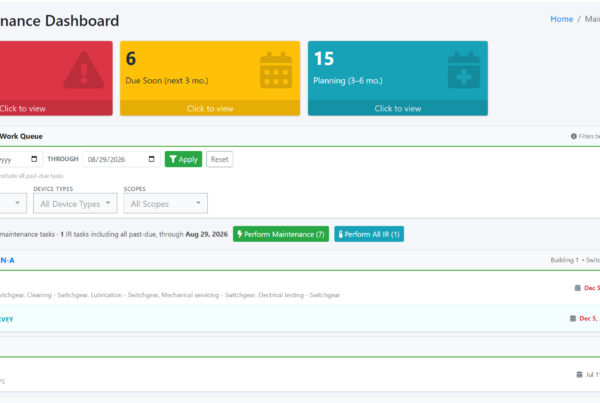
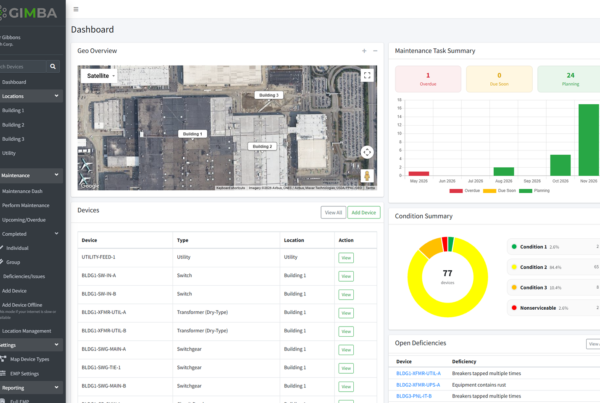
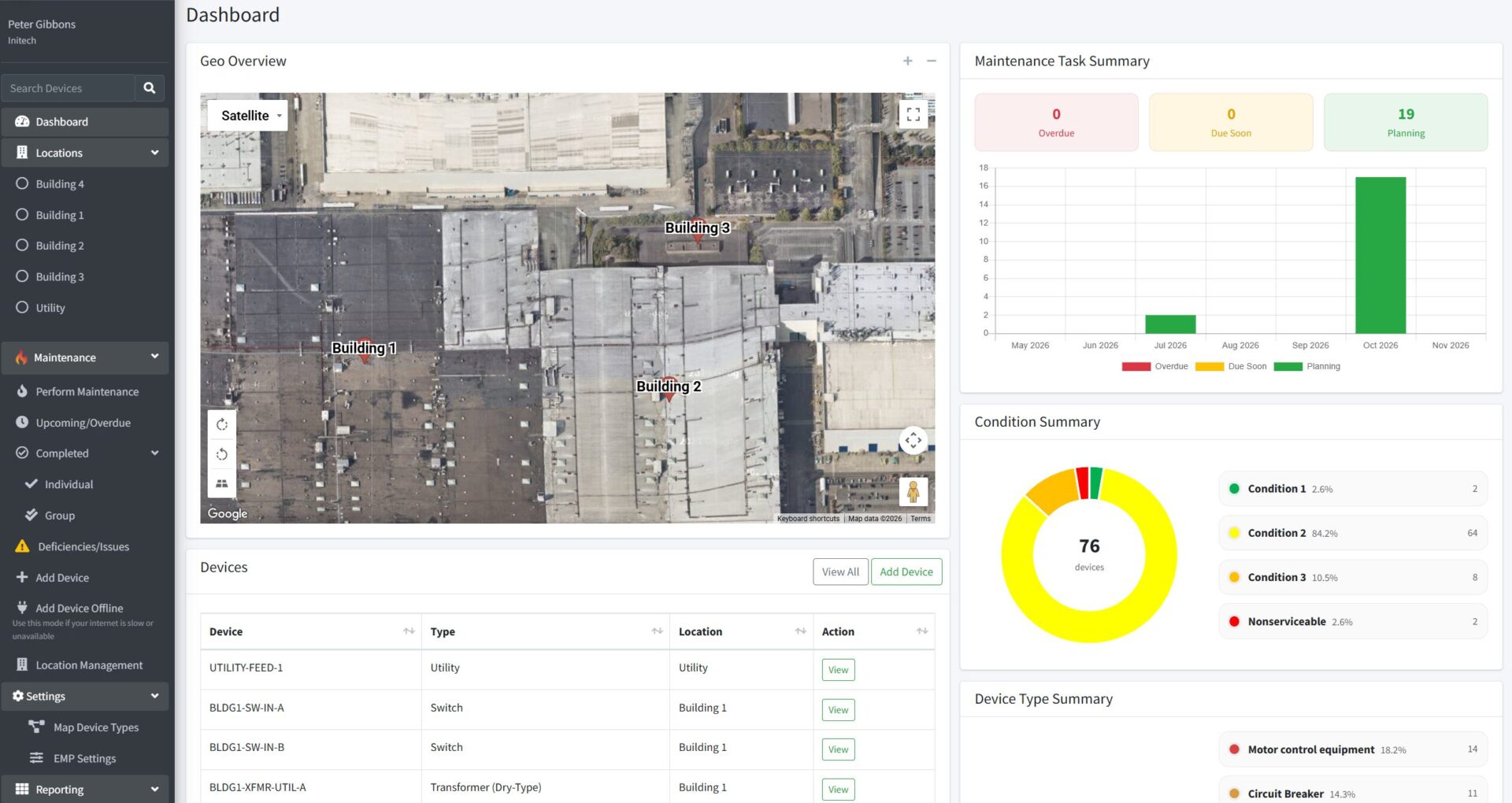
Managing those five requirements across dozens of assets is where most facilities get stuck. Gimba handles the entire NFPA 70B side of this in one platform. It builds and maintains a complete inventory of every piece of electrical equipment in your facility, schedules maintenance for each device type based on its condition rating and the NFPA 70B-specified frequencies, and generates your complete Electrical Maintenance Program with one click. When an auditor or insurer asks for documentation, you pull it up rather than assembling it.
Read the full breakdown of what NFPA 70B covers on our overview page.
What Is NFPA 70E?
NFPA 70E (Standard for Electrical Safety in the Workplace) protects people, not equipment. It defines the safety procedures qualified workers must follow when performing tasks on or near energized electrical systems.
Where NFPA 70B asks whether the equipment is properly maintained, NFPA 70E asks whether the worker is protected while doing the work. The two questions are related but distinct.
NFPA 70E governs:
- Arc flash hazard analysis and equipment labeling
- Personal protective equipment (PPE) selection for energized work
- Lockout/tagout (LOTO) procedures
- Energized electrical work permits
- Safe approach distances to energized conductors
- Qualification and training requirements for electrical workers
OSHA electrical safety standards reference NFPA 70E as the recognized industry benchmark for worker protection, which gives it significant enforcement weight even where OSHA has not formally adopted the standard.
Put simply: NFPA 70B owns the equipment side. Maintenance programs, condition assessments, EMP documentation, inspection records. NFPA 70E owns the worker side. Arc flash analysis, PPE selection, lockout/tagout, energized work permits, and what your crew needs to know before they touch anything live.
The Core Distinction: Equipment vs. People
The simplest way to remember it: NFPA 70B is about what you do to the equipment. NFPA 70E is about how you protect your people while doing it.
A facility with a fully compliant maintenance program (condition assessments, documented intervals, current EMP) has still not addressed worker safety during electrical tasks. That is NFPA 70E territory.
Good arc flash labels and solid PPE programs don’t touch your maintenance documentation requirements. The two standards address different failure modes. NFPA 70B is about stopping equipment from failing. NFPA 70E is about stopping workers from getting hurt.
How the Two Standards Work Together
The two standards are designed to work together. Properly maintained equipment under 70B directly affects arc flash energy levels, which changes PPE requirements under 70E. NFPA describes them as complementary – 70B on the equipment side, 70E on the human side.
One thing facilities often miss: if your arc flash study is more than five years old, the 2023 edition of NFPA 70B requires you to redo it. System studies run on a five-year cycle now. See Chapter 6 for what that covers.
Which Standard Applies to Your Facility?
In most cases, both apply. Hospitals, data centers, industrial plants, utilities, commercial buildings with serious electrical infrastructure – NFPA 70B covers all of them. NFPA 70E applies wherever qualified workers perform electrical tasks, which is most of the same facilities.
A few scenarios where the emphasis shifts:
- Facilities that contract out all electrical work: NFPA 70B still applies to your maintenance program. The contractor handles NFPA 70E compliance for their own workers during the job.
- Heavy industrial facilities: both standards are scrutinized equally by OSHA and insurers.
- Co-location and tenant-occupied buildings: responsibilities must be clearly assigned across the ownership boundary.
Common Misconceptions Worth Clearing Up
‘We have arc flash labels, so we are compliant.’
Arc flash labels satisfy part of NFPA 70E. They have no bearing on NFPA 70B, which requires a documented maintenance program, condition assessments, and interval tracking.
‘Our electrician handles all of this.’
A qualified electrician working safely addresses NFPA 70E during individual jobs. NFPA 70B requires a systematic, organization-wide maintenance program, not just safe individual work practices.
‘NFPA 70B is still just a recommendation.’
Not since 2023. The current edition uses binding “shall” language throughout. Treating it as optional is a compliance and liability risk. Read more about what the standard now requires.
See How Gimba Handles NFPA 70B Compliance
Gimba manages condition assessments, maintenance intervals by device type, and one-click EMP generation, covering the full NFPA 70B side of your compliance program.
Frequently Asked Questions
Is NFPA 70B the same as NFPA 70E?
No. NFPA 70B covers electrical equipment maintenance programs. NFPA 70E covers worker safety during electrical work. Both may apply to your facility, and satisfying one does not fulfill the other.
Which standard does OSHA enforce?
OSHA references both standards in its electrical regulations. 29 CFR 1910.303 and related sections align with NFPA 70B maintenance requirements. OSHA 1910.331 through 1910.335 governs electrical safety-related work practices consistent with NFPA 70E.
How often do these standards get updated?
Both operate on roughly three-year revision cycles. The current NFPA 70B edition is 2023. Always verify you are working from the edition currently adopted or referenced in your jurisdiction and insurance policy.
Related reading: NFPA 70B Overview | EMP Requirements | NFPA 70B Compliance Software | Schedule a Demo